
Used Asphalt Plant Solutions & Refurbished Asphalt Mixing Plants
Purchasing a used asphalt plant is one of the most cost-effective ways to expand production capacity while minimizing initial investment. At MBA, we do far more than simply buy and sell equipment. Every second hand asphalt plant is carefully inspected by our engineering team, refurbished where necessary, and tested before being offered for sale.
Our experienced technicians evaluate the complete mechanical, electrical, hydraulic, and automation systems to ensure reliable operation. Worn components are replaced, critical systems are upgraded, and each plant is prepared for long-term performance. The result is a refurbished asphalt plant ready for installation and production.
Whether you require a batch asphalt plant or a continuous asphalt plant, we can supply equipment tailored to your production capacity, project requirements, and environmental conditions.
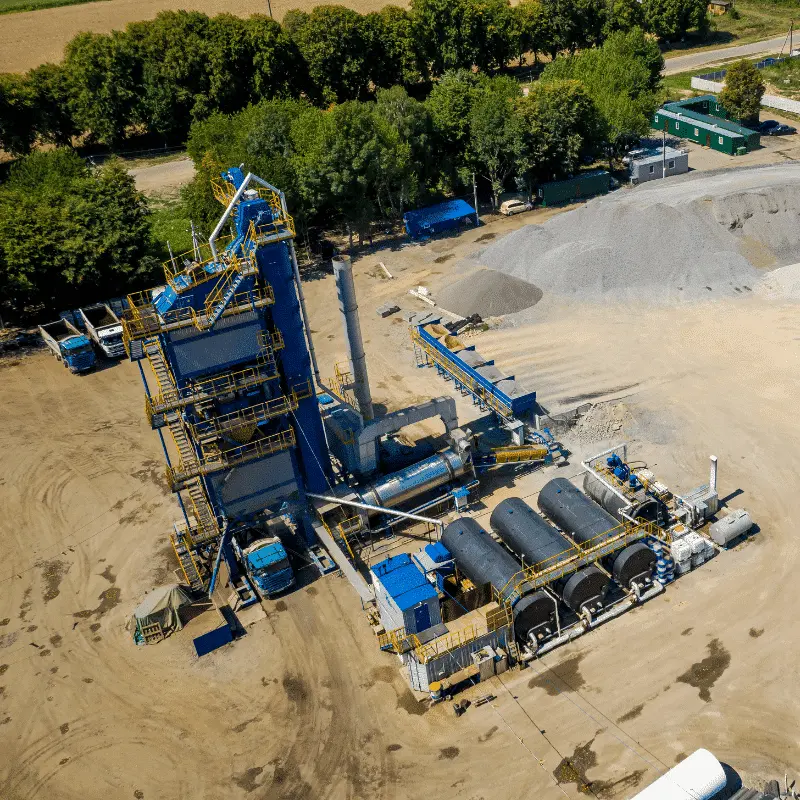
Why Choose MBA for Your Used Asphalt Plant?
Buying a used asphalt plant from private sellers or brokers may seem cost-effective at first, but hidden mechanical issues, missing components, and unexpected installation costs often lead to significant additional expenses. At MBA, every second hand asphalt plant is professionally inspected, refurbished, and prepared for reliable production before delivery.
Comprehensive Inspection & Engineering Reports
Every used asphalt mixing plant undergoes a detailed technical inspection. Our engineers evaluate the condition of the dryer drum, mixer, paddles, bearings, hot aggregate elevator, steel structure, burner system, conveyors, bitumen equipment, and electrical components. A complete engineering assessment ensures that every plant meets our quality standards.
Optional Retrofit & Plant Modernization
We can upgrade your refurbished asphalt plant with modern technologies according to your project requirements. This includes burner replacement, PLC automation upgrades, electrical panel modernization, weighing system improvements, variable frequency drives (VFDs), and insulated bitumen piping systems to improve efficiency and productivity.
Professional Dismantling, Transportation & Reinstallation
MBA provides complete project management for relocating your used asphalt plant. Our experienced teams handle dismantling, international transportation, customs documentation, reinstallation, commissioning, and production start-up, ensuring a smooth transition to your new job site.
Spare Parts & Long-Term Technical Support
Unlike ordinary equipment traders, MBA manufactures many critical wear parts in-house and maintains a reliable spare parts inventory. After commissioning, customers continue to receive technical assistance, maintenance support, and fast spare parts supply to maximize plant uptime.
A Reliable Investment for Long-Term Performance
Every used asphalt plant for sale supplied by MBA is selected, refurbished, and tested to provide dependable performance with a lower investment cost than purchasing a new plant. Our goal is to deliver long-lasting, cost-effective solutions backed by professional engineering and worldwide after-sales support.
Engineering Services Included with Every Used Asphalt Plant
Purchasing a used asphalt plant is only the first step. At MBA, our engineering team supports customers throughout the entire process—from project planning and refurbishment to installation, commissioning, and production. Every refurbished asphalt plant is prepared to deliver reliable performance with comprehensive technical support.
1. Site Layout Planning & Plant Installation Design
Before delivery, our engineers analyze your installation site to prepare the most efficient plant layout. Aggregate stockpiles, bitumen storage tanks, access roads, truck circulation, foundations, and utility connections are carefully planned to maximize productivity and minimize operating costs.
2. Replacement of Critical Wear Parts
All critical wear components are inspected and replaced where necessary during the refurbishment process. Mixer liners, mixer arms, paddles, elevator chains, buckets, conveyor components, bearings, and meta-aramid filter bags are renewed using high-quality replacement parts before the used asphalt mixing plant is delivered.
3. Calibration, Commissioning & Operator Training
After installation, every used asphalt plant is calibrated and tested to ensure accurate weighing, efficient combustion, and stable asphalt production. Load cells, weighing systems, burners, and PLC automation are fully calibrated. Our engineers also provide operator training, production testing, and technical guidance to ensure safe and efficient plant operation from day one.
REFURBISHED & WARRANTY-BACKED USED ASPHALT PLANTS
Fully Refurbished Used Asphalt Plants
Request Current Availability & a Custom Quotation
Frequently Asked Questions About Used Asphalt Plants
Find answers to the most common questions about purchasing a used asphalt plant, refurbishment processes, technical inspections, plant relocation, installation, and after-sales support.
How Can You Evaluate the Mechanical Condition and Remaining Service Life of a Used Asphalt Plant ?
The remaining service life of a used asphalt plant depends on the condition of key components such as the dryer drum, mixer, steel structure, dust collection system, burner, conveyors, and electrical equipment. At MBA, every used asphalt mixing plant undergoes a comprehensive engineering inspection before refurbishment. Our specialists measure wear, evaluate structural integrity, and test all critical systems. If the main structure is in good condition, worn mechanical, electrical, and automation components can be replaced or upgraded, allowing the plant to deliver reliable performance for many additional years while significantly reducing investment costs compared to purchasing a new asphalt plant.
Can a Reclaimed Asphalt Pavement (RAP) System Be Added to a Used Asphalt Plant ?
Yes. In most cases, a RAP (Reclaimed Asphalt Pavement) system can be integrated into a used asphalt plant. Our engineering team evaluates the existing plant’s mechanical design, production capacity, and layout to determine the most suitable retrofit solution. We design and install RAP cold feed systems, conveyors, weighing equipment, and control system upgrades to ensure seamless integration. This allows customers to increase recycled asphalt usage, reduce production costs, and improve the sustainability of their asphalt production without replacing the entire plant.
What should be considered to avoid unforeseen “hidden costs” when buying a used asphalt plant?
The most common pitfall when purchasing used plants directly from the owner or from non-specialized intermediaries is the massive additional expenses that arise during the commissioning phase, even if the initial purchase price seems low. Pipelines deformed during dismantling, dried and cracked cables, tower equipment damaged during transit, and concrete foundation designs that do not fit the new job site are among the primary hidden costs. To prevent these risks, the facility must be inspected from an engineering perspective, all motor and gearbox tests must be conducted prior to dismantling, and the infrastructure costs of the installation site (concrete, excavation, cabling lengths) must be calculated thoroughly from the very beginning.
What approach do you follow if the mechanical condition of the second-hand plant we plan to purchase is good, but its automation system is outdated ?
Although the mechanical structure (chassis, silos) of many facilities entering the second-hand market remains intact, their electrical panels and automation software are often obsolete or non-functional due to board failures. In such cases, we completely dismantle and discard the plant’s old electrical cabin and relay-based or legacy card systems. Instead, we integrate a modern PLC-based SCADA automation system with Turkish/English language support, assembled from scratch in our factory. This way, while purchasing a mechanically affordable second-hand facility, you gain the recipe precision and remote troubleshooting convenience of a brand-new plant in terms of operational quality.
How do you inspect the internal wear (dryer drum plate, mixer shaft, etc.) of the second-hand plant we plan to purchase on-site?
Even if the exterior appearance of the facilities is camouflaged with paint, the wear on internal components reveals the truth. While our expert teams conduct on-site inspections, they scan the dryer body and rings with thickness gauges to detect the rate of metal thinning. The condition of the twin-shaft mixer’s arms, paddles, and shafts is inspected. Screen meshes and vibromotors are checked against potential damage. Components with a high wear rate are identified right at the sales stage and included in the refurbishment plan at our factory.