
Asphalt Plant
MBA designs and manufactures asphalt plants for road construction, infrastructure projects, highways, airports and municipal applications. Our asphalt plant solutions are available in stationary, mobile and continuous drum mix configurations, with production capacities from 80 to 240 tons per hour.
Each asphalt plant is engineered according to the project capacity, aggregate type, fuel preference, site conditions and transportation requirements. MBA provides complete support from plant design and manufacturing to installation, commissioning and after-sales service.
With durable steel construction, efficient drying systems, reliable automation and integrated bitumen equipment, MBA asphalt plants offer high performance, low operating cost and long-term production stability.
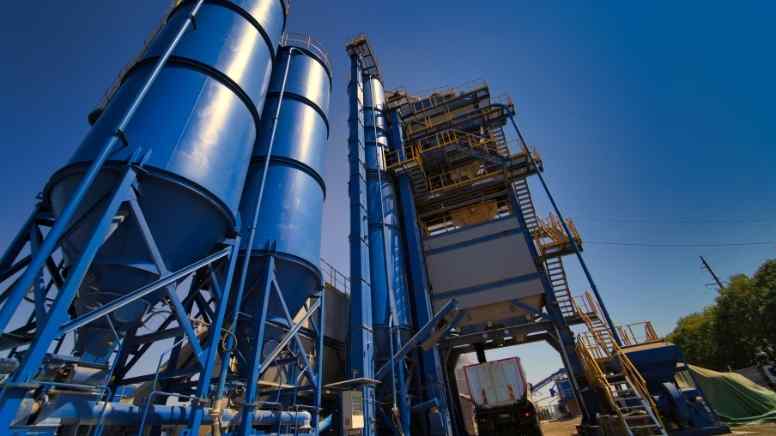
MBA Asphalt Plant Features
MBA asphalt plants are designed to operate efficiently and reliably under demanding site conditions. Production continuity, low fuel consumption, easy maintenance and precise weighing systems are among the main priorities in every plant design.
Key features:
– 80–240 tons/hour production capacity options
– Batch type and continuous type asphalt plant solutions
– High-efficiency dryer drum design
– Electronic proportional burner control for operational safety and fuel saving
– Low fuel consumption thanks to efficient drying and heating performance
– Precise aggregate, bitumen and filler weighing system
– Strong mixer structure for high-quality asphalt mixture
– Reverse air flow filter system for reduced dust emission
– Bitumen tank, modified bitumen plant and thermal oil boiler integration
– PLC-controlled automation system
– Easy maintenance and spare parts accessibility
– Project-specific layout and engineering support
MBA does not only manufacture standard asphalt plants. Each plant is designed according to the customer’s required capacity, site dimensions, aggregate properties, fuel type, transportation conditions and project expectations.
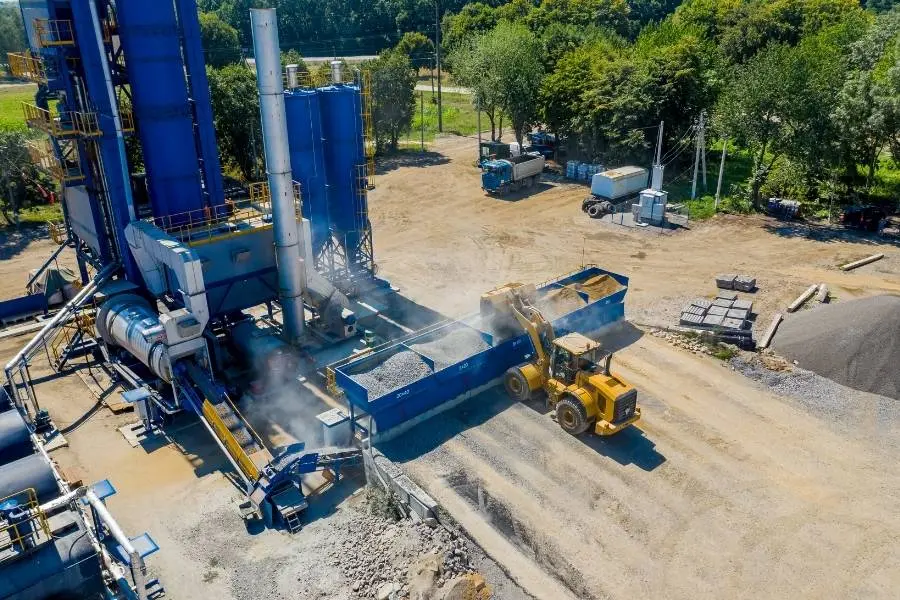
Asphalt Plant Technical Specifications
| Capacity | 80 ton/hour | 120 ton/hour | 160 ton/hour | 240 ton/hour |
| Suitable Project Type | Small and medium-scale road projects | Municipal maintenance, repair and regional road projects | Medium and large-scale asphalt production | Large infrastructure and highway projects |
| Plant Type | Mobile / Stationary | Mobile / Stationary | Stationary | Stationary |
| Mixer Capacity | 1100 kg | 1650 kg | 2200 kg | 3400 kg |
| Filter Surface Area | 350 m² | 420 m² | 580 m² | 720 m² |
| Burner Capacity | 7 MW | 10 MW | 13 MW | 16 MW |
TECHNICAL SUPPORT AND QUOTATION
Get the Most Suitable Asphalt Plant Solution
for Your Project
What Is an Asphalt Plant ?
An asphalt plant is used to produce hot mix asphalt by combining aggregate, bitumen and filler in controlled proportions. The asphalt produced in these facilities is used in road construction, highways, airport runways, city roads, industrial zones and infrastructure projects.
During production, aggregate is heated and dried in the dryer drum before it is screened, weighed and mixed with bitumen and filler. The quality of the final asphalt mixture depends on correct dosing, stable temperature control and efficient mixing.
When choosing an asphalt plant, capacity is only one part of the decision. Dryer performance, burner efficiency, filter system, mixer design, bitumen feeding equipment and automation quality directly affect production cost and asphalt quality.
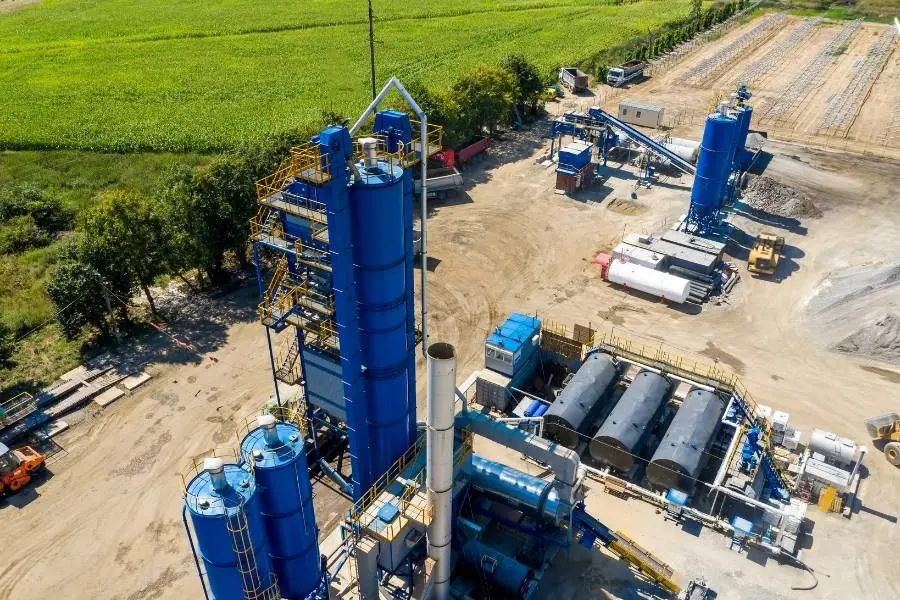
How Does an Asphalt Plant Work ?
An asphalt plant works by drying, heating, weighing and mixing aggregate, bitumen and filler according to a specific production recipe. Aggregates of different sizes are first dosed from the cold feed bins and transferred to the dryer drum with conveyor belts.
In the dryer drum, moisture is removed from the aggregate and the material is heated to the required temperature. The heated aggregate is then lifted to the screening unit, where it is separated into different fractions and stored in hot aggregate bins.
After this stage, aggregate, bitumen and filler are weighed with precision and mixed in the mixer. The produced hot mix asphalt is discharged into trucks or transferred to a hot asphalt storage silo, depending on the plant configuration.
The process is managed by the automation system, allowing the operator to control production recipes, temperatures, weighing values and equipment operation from the control cabin.
Stationary, Mobile and Drum Mix Asphalt Plants
Choosing the right asphalt plant type is an important decision for every road construction project. Project duration, required production capacity, job site location, transportation conditions and installation area are the main factors that determine the most suitable plant configuration.
MBA Plant offers stationary, mobile and continuous drum mix asphalt plant solutions for different project requirements. Each asphalt plant type provides specific advantages depending on the production target, site conditions and project schedule.
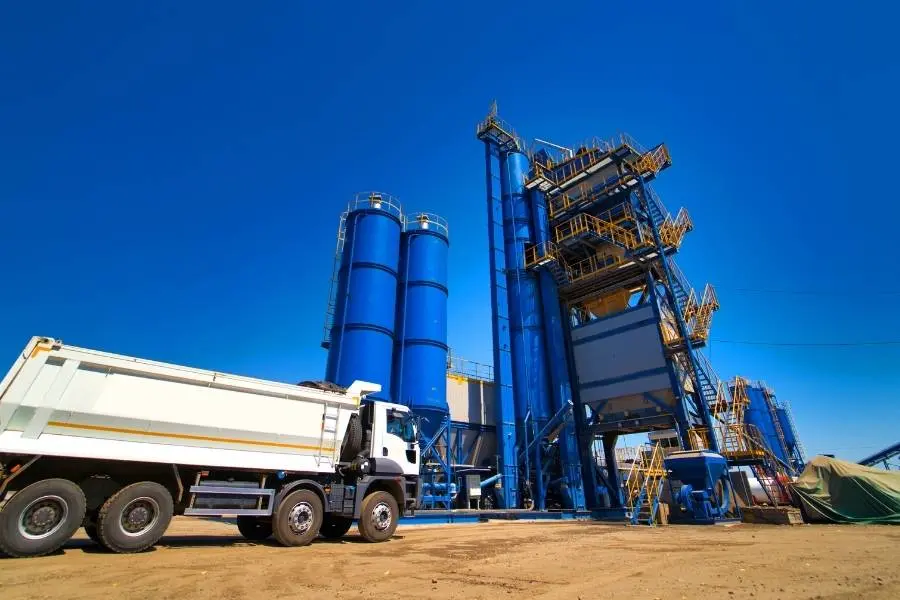
Stationary Asphalt Plant
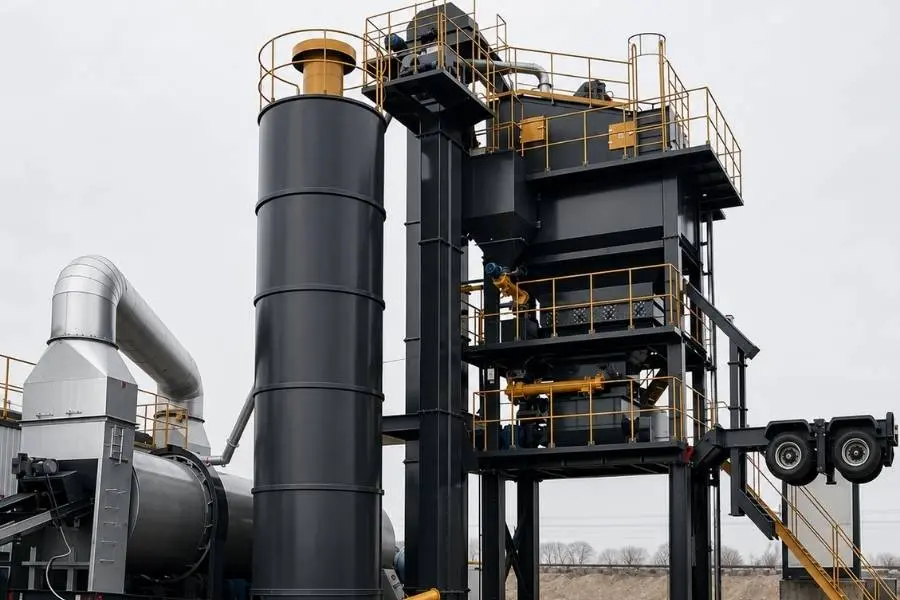
Stationary asphalt plants are preferred for long-term projects that require high production capacity in the same location. They provide strong equipment structure, wide layout flexibility and continuous production performance for highways, airports and large infrastructure projects.
Mobile Asphalt Plant
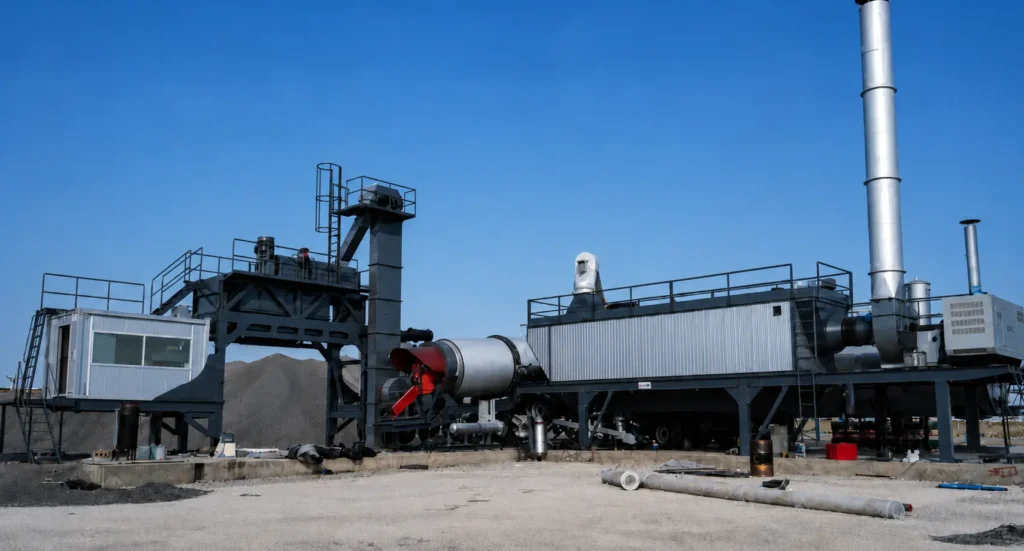
Mobile asphalt plants are designed for projects that need to operate at different job sites. Thanks to their transportable structure, fast installation advantage and compact equipment layout, they offer a practical solution for road projects with changing locations.
Drum Mix Asphalt Plant
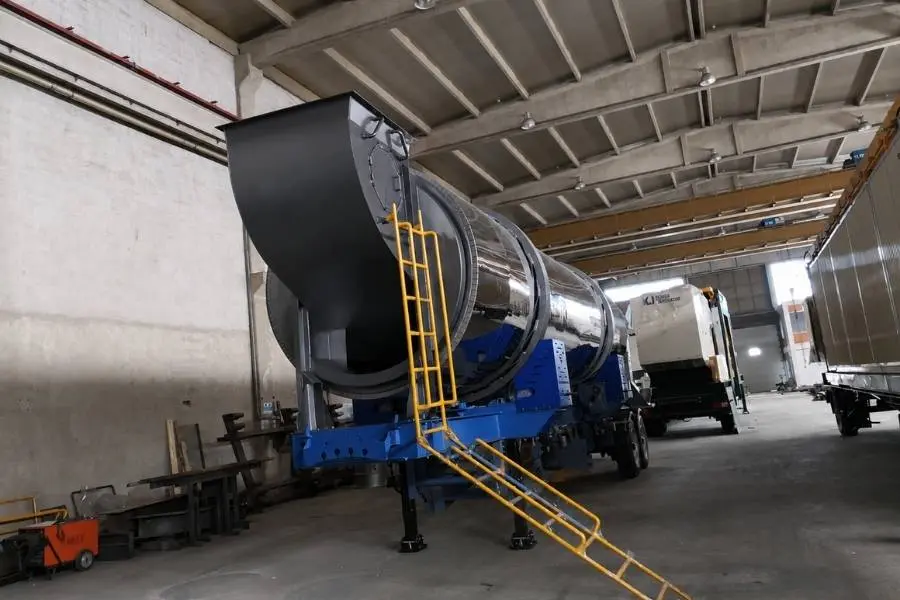
Drum mix (continuous) asphalt plants are designed for continuous hot mix asphalt production. They provide stable material flow, efficient fuel consumption and practical operation for projects requiring uninterrupted asphalt production.
Asphalt Plant Equipment
Asphalt plant equipment includes aggregate bins, dryer drum, filter, elevator, mixer, automation system and bitumen equipment. High-quality components are essential for production efficiency and long service life.