
Cutback Bitumen Plant
Road construction and maintenance projects require reliable bituminous binders for surface treatments and cold asphalt applications. A Cutback Bitumen Plant is designed to produce low-viscosity bitumen by blending hot bitumen with controlled amounts of hydrocarbon solvents.
Developed by MBA Asphalt Plant, our Cutback Bitumen Plant enables the production of RC (Rapid Curing), MC (Medium Curing) and SC (Slow Curing) cutback bitumen grades in accordance with international specifications. The system combines precise dosing technology, homogeneous mixing and fully automated process control to ensure consistent product quality.
With advanced PLC automation, accurate flow measurement and a safety-oriented design, MBA provides reliable Cutback Bitumen Production Plants for contractors, refineries and road construction companies worldwide.
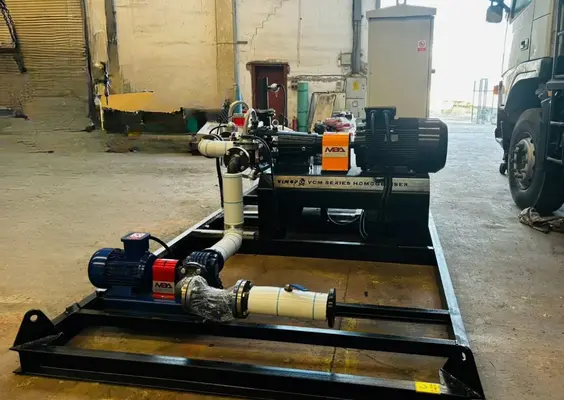
What is a Cutback Bitumen Plant ?
A Cutback Bitumen Plant is an industrial production system designed to manufacture cutback bitumen by blending hot bitumen with hydrocarbon solvents according to precisely controlled formulations. Advanced automatic dosing technology ensures accurate mixing ratios and consistent product quality throughout every production batch.
Cutback bitumen is widely used in regions where conventional hot asphalt production is not economically viable. Thanks to its lower viscosity, it can be applied at lower temperatures, reducing energy consumption while providing excellent workability for road maintenance, pavement repairs, prime coat, and cold asphalt applications.
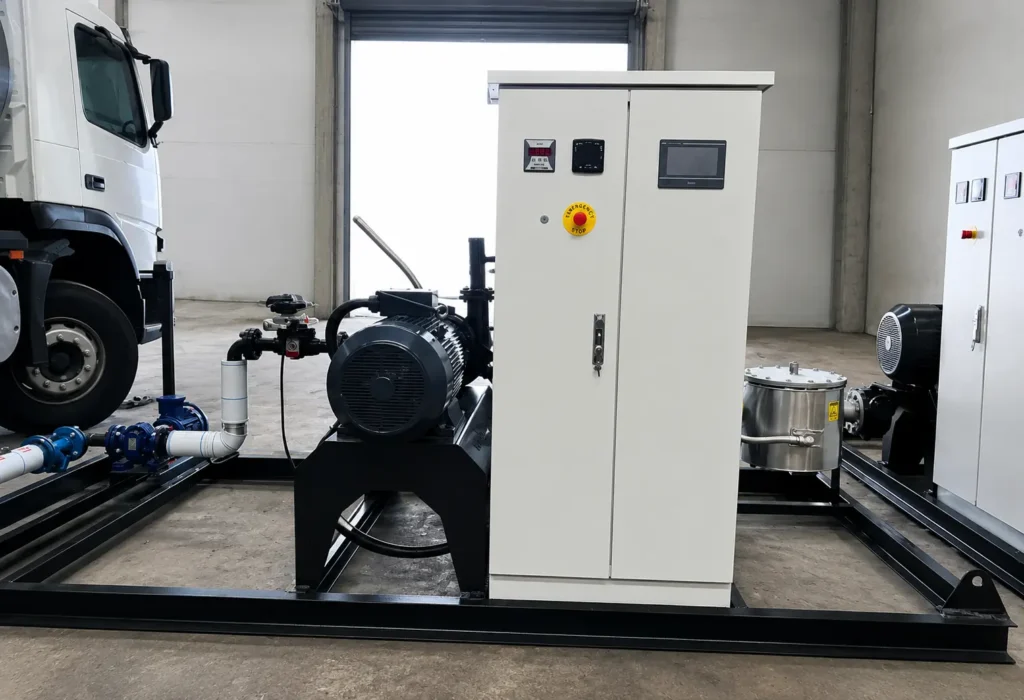
Cutback Bitumen Plant Technical Specifications
The production of cutback bitumen requires precise dosing, reliable process control, and maximum operational safety due to the use of volatile hydrocarbon solvents. MBA Cutback Bitumen Plants are engineered to ensure consistent product quality, efficient production, and compliance with international safety standards. Key technical features include:
High-Precision Dosing System
Bitumen and solvent are measured using high-accuracy flow meters and variable-speed dosing pumps. The PLC-controlled system continuously monitors and adjusts the mixing ratio, ensuring every production batch meets the required formulation with exceptional accuracy.
ATEX / Explosion-Proof Safety Design
Since cutback bitumen production involves flammable solvents, all critical electrical components, motors, sensors, and instrumentation can be supplied with ATEX-certified explosion-proof (Ex-proof) protection. This design significantly enhances plant safety and operational reliability.
High-Efficiency Static Mixer Technology
Hot bitumen and solvent pass through a high-performance inline static mixer, providing homogeneous blending at the molecular level. The mixing process eliminates phase separation and guarantees uniform product quality.
Hot Oil Heated Process System
Bitumen pipelines, pumps, valves, and critical process equipment are heated by a closed-loop thermal oil heating system. Process temperatures are continuously monitored by the PLC to maintain safe operating conditions and optimum production efficiency.
PLC & SCADA Automation
The complete production process is controlled through an advanced PLC and SCADA automation system. Operators can monitor dosing, flow rates, temperatures, alarms, and production recipes in real time via an intuitive touchscreen interface.
Modular & Containerized Design
MBA Cutback Bitumen Plants are available in modular and containerized configurations for easy transportation, rapid installation, and simplified commissioning. The compact design minimizes on-site construction while reducing installation time and logistics costs.
How Does a Cutback Bitumen Plant Work ?
The production of cutback bitumen is carried out in a fully enclosed system to ensure safe operation and prevent solvent evaporation. A typical Cutback Bitumen Plant operates through the following process:
1. Raw Material Feeding & Temperature Control
Hot bitumen is supplied from the storage tank and heated to the required process temperature. At the same time, the hydrocarbon solvent is delivered from a dedicated storage tank and prepared for accurate dosing into the production line.
2. Automatic Dosing & Flow Control
According to the selected production recipe (such as MC-30, MC-70, RC-250, or SC grades), the PLC-controlled dosing system automatically regulates bitumen and solvent flow rates using high-precision flow meters and variable-speed pumps.
3. High-Efficiency Homogeneous Mixing
Bitumen and solvent are blended through a high-performance inline static mixer or a mechanical high-shear mixer, ensuring complete homogenization. This process produces a stable cutback bitumen with consistent viscosity and excellent storage performance.
4. Product Transfer & Storage
The finished cutback bitumen is transferred to storage tanks or loading systems under continuous monitoring of temperature, pressure, and flow parameters. The automated control system ensures safe handling and maintains consistent product quality throughout the process.
CUTBACK BITUMEN PLANT MANUFACTURER
RC, MC & SC Cutback Bitumen Production Plants
Get a Custom Quote for Your Project !
Frequently Asked Questions About Cutback Bitumen Plants
Find answers to the most frequently asked questions about Cutback Bitumen Plants, cutback bitumen production, RC, MC and SC grade bitumen, production processes, plant capacities, automation systems, and industrial applications.
What Types of Cutback Bitumen Can Be Produced with This Plant ?
Our Cutback Bitumen Plant is designed to produce all internationally recognized grades of cutback bitumen. Depending on the selected production recipe and solvent type, the system can manufacture Rapid Curing (RC), Medium Curing (MC), and Slow Curing (SC) cutback bitumen grades, including MC-30, MC-70, RC-250, RC-800, SC-70, and SC-250. All production parameters are managed automatically through the PLC control system, ensuring consistent product quality and precise formulation.
How Is the Risk of Fire and Explosion Controlled in a Cutback Bitumen Plant ?
Safety is our highest priority. Since cutback bitumen production involves flammable hydrocarbon solvents, all motors, load cells, sensors, and electrical instruments installed in hazardous areas can be supplied with ATEX-certified explosion-proof (Ex-proof) protection. In addition, the plant is equipped with PLC-based safety interlocks and automatic shutdown functions that continuously monitor critical process parameters, preventing the system from operating beyond safe temperature and pressure limits.
What Production Capacities Are Available for a Cutback Bitumen Plant ?
Our standard Cutback Bitumen Plants are available in capacities of 5, 10, 15, and 20 tons per hour. For projects with higher production requirements, MBA also designs and manufactures custom-engineered Cutback Bitumen Production Plants tailored to specific capacity, process, and operational needs.
Which Solvents Can Be Used for Cutback Bitumen Production ?
Depending on the plant configuration and the required bitumen grade, the system can produce cutback bitumen using White Spirit, Kerosene, and other compatible hydrocarbon solvents. The appropriate solvent is selected according to the desired RC (Rapid Curing), MC (Medium Curing), or SC (Slow Curing) grade, as well as the applicable project specifications and international standards.
Other Bitumen Technologies
MBA offers a complete range of bitumen equipment and processing systems for asphalt plants, bitumen terminals, and road construction projects. Our product portfolio includes PMB plants, bitumen emulsion plants, bitumen melting units, bitumen tanks, thermal oil heaters, and auxiliary bitumen equipment designed for reliable and efficient operation.
Browse the related product categories below to find the right solution for your bitumen storage, heating, and processing requirements.
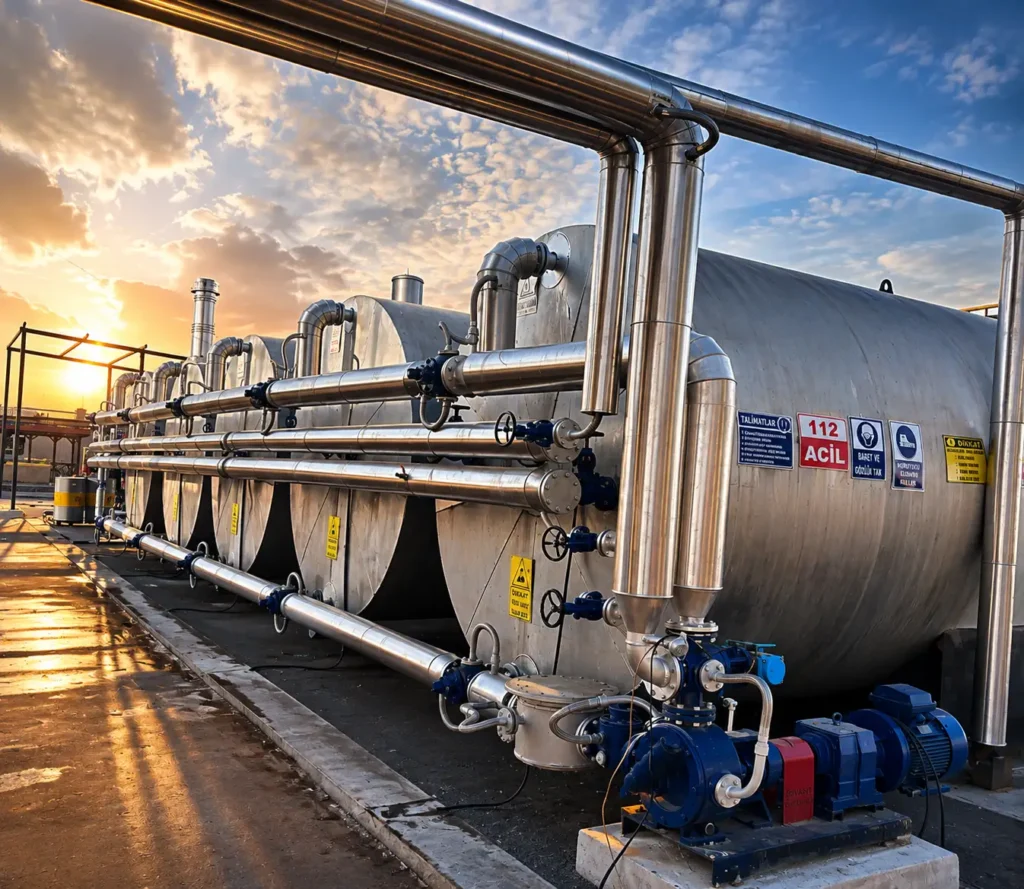
Bitumen Tank
Bitumen tanks are designed for the safe storage and heating of bitumen at the required operating temperature. Available with electric or hot oil heating systems, they can be manufactured in various capacities to meet different project requirements.
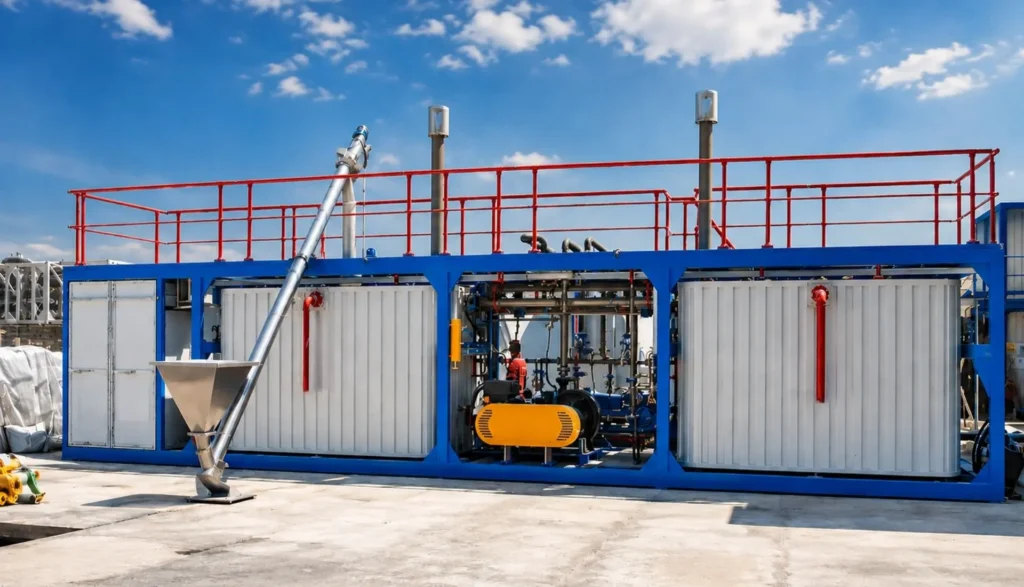
Polymer Modified Bitumen (PMB) Plant
PMB plants are used for the production of high-performance polymer modified bitumen using SBS, APP, EVA, and other polymer additives. These systems ensure homogeneous mixing, accurate dosing, and efficient production processes.
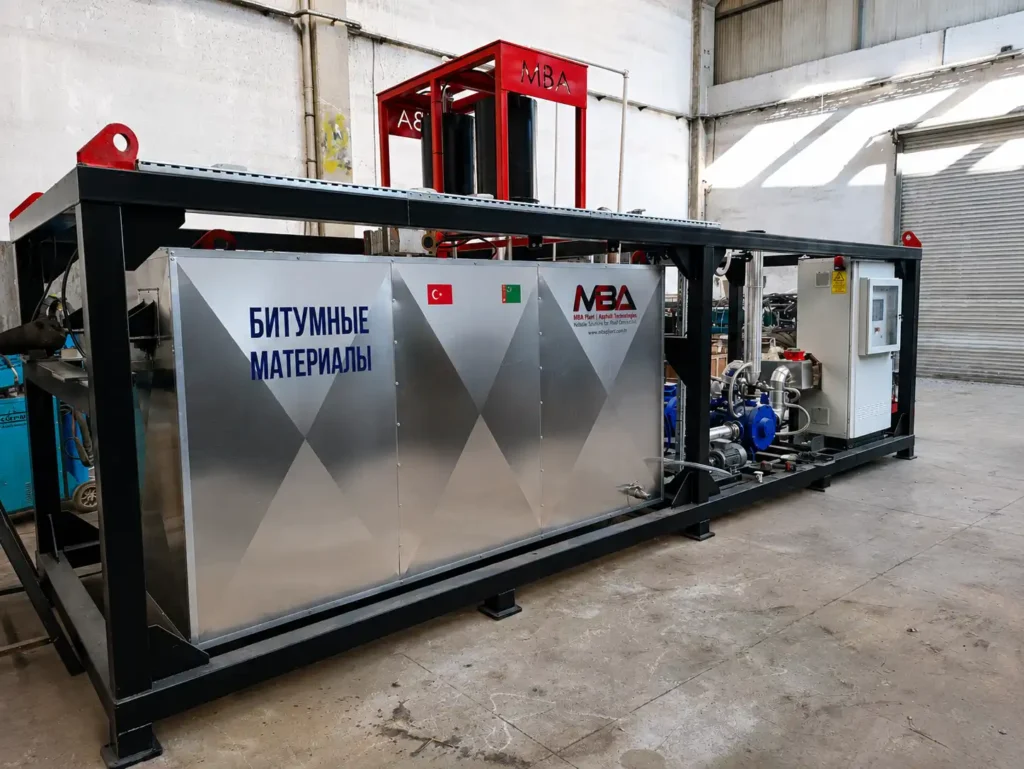
Bitumen Emulsion Plant
Bitumen emulsion plants are designed for the production of high-quality bitumen emulsions used in road construction and maintenance applications. Automated control systems provide consistent product quality and reliable operation.
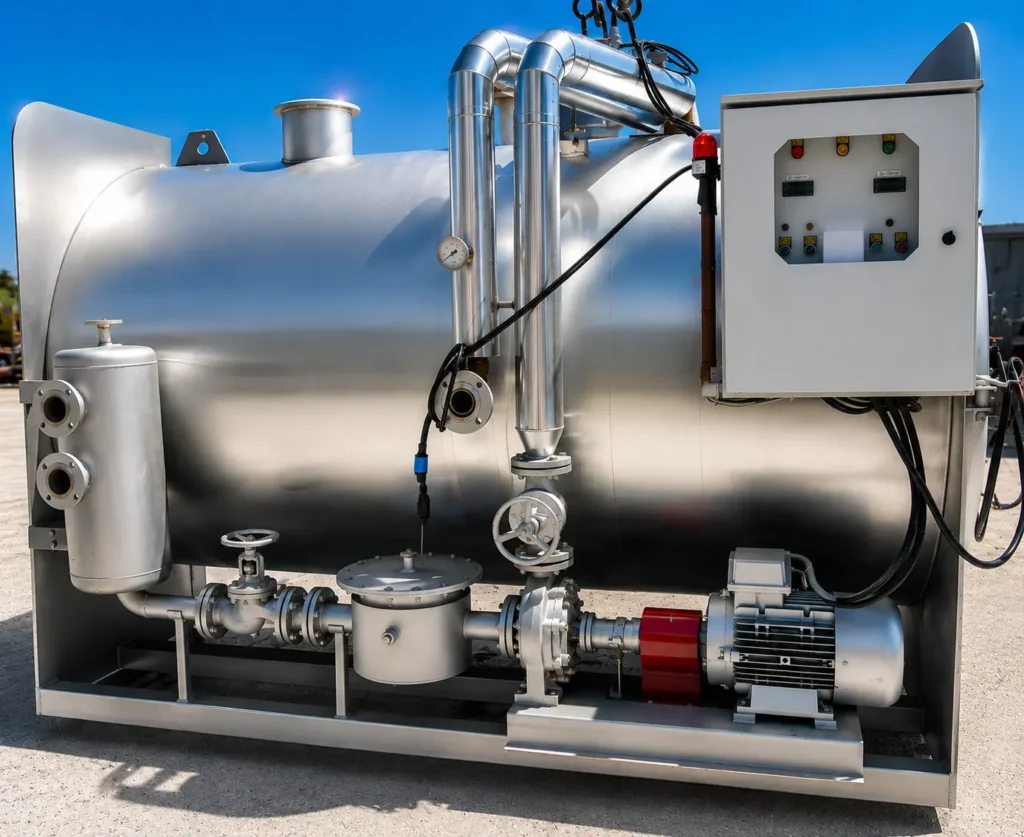
Hot Oil Boiler
Hot oil boilers are used for heating bitumen tanks and industrial process equipment. They provide efficient thermal energy transfer, high operating efficiency, and reliable performance under demanding conditions.
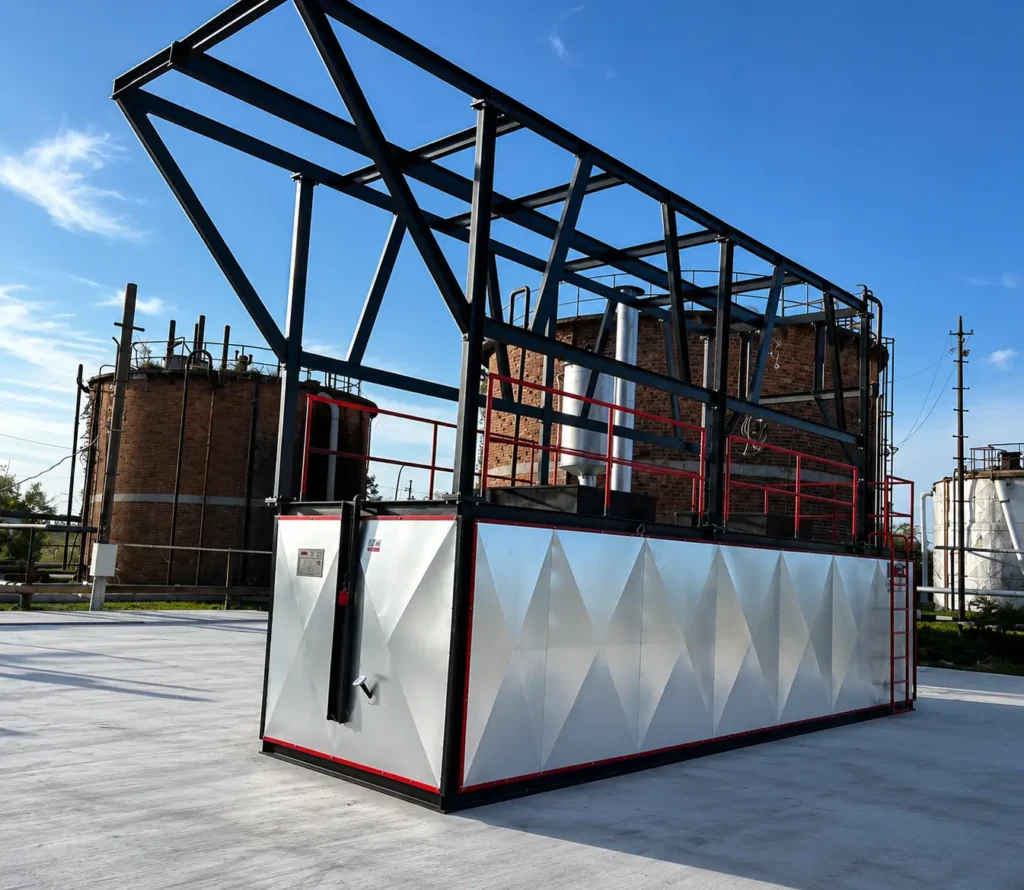
Big Bag Bitumen Decanter
Big Bag Bitumen Decanters are designed to efficiently melt bitumen supplied in jumbo bags and prepare it for transfer to storage or production systems. With high melting capacity, energy-efficient operation, and user-friendly design, these systems provide an ideal solution for bitumen terminals, asphalt plants, and industrial bitumen processing facilities.
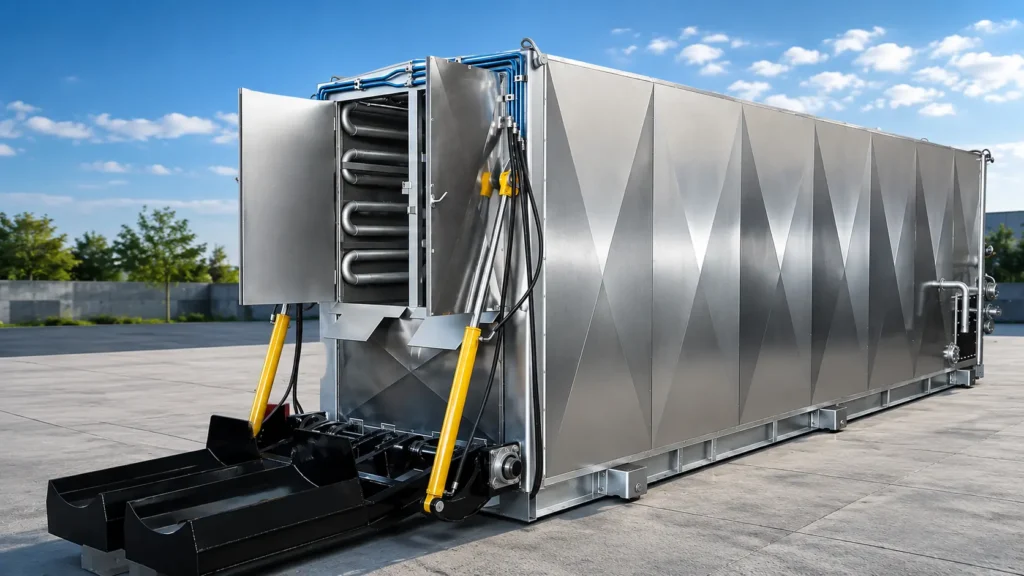
Drum Bitumen Decanter
Drum Bitumen Decanters are used for the controlled melting of bitumen stored in steel drums. Their high melting efficiency, low energy consumption, and reliable operation ensure a continuous bitumen supply for asphalt production and bitumen processing applications. These systems are widely preferred for projects where bitumen is delivered in drum packaging.
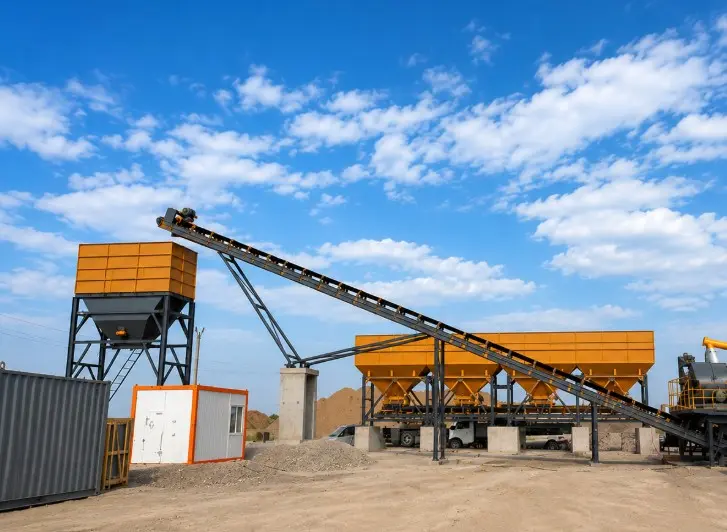
Wet Mix Macadam (WMM) Plant
Wet Mix Macadam (WMM) Plants are designed for the accurate proportioning and mixing of aggregates, water, and additives to produce high-quality road base and subbase materials. These plants provide high production capacity, reliable operation, and consistent mixture quality for road construction and infrastructure projects.
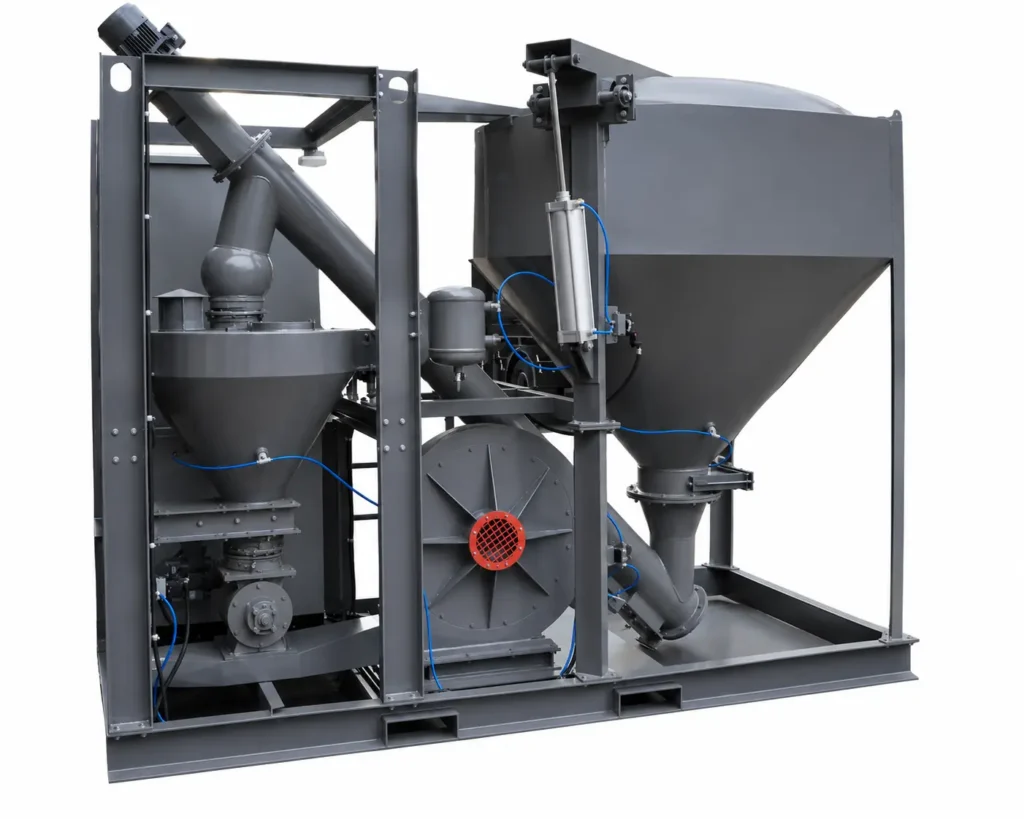
Cellulosic Fiber Additive Unit
Cellulosic Fiber Additive Units ensure the precise and homogeneous dosing of cellulose fibers into the asphalt mixing process. Designed for SMA (Stone Mastic Asphalt) and modified asphalt production, these systems improve mixture stability, reduce binder drain-down, and enhance pavement performance.