
Asphalt Plant Relocation, Dismantling and Installation Services
Relocating an asphalt plant from its existing site to a new production facility is far more than a standard transportation operation. It is a comprehensive industrial relocation project that requires advanced engineering, detailed planning, and extensive field experience. Improper dismantling or poor project execution can lead to structural deformation, equipment misalignment, and costly delays during commissioning.
At MBA, we provide turnkey asphalt plant relocation services for all brands, models, and capacities of asphalt plants, including mobile, stationary, and batch-type systems. Our experienced engineers and field technicians manage every stage of the project, from dismantling and transportation to reinstallation, alignment, and commissioning, ensuring your plant is ready for production at its new location quickly, safely, and with maximum reliability.
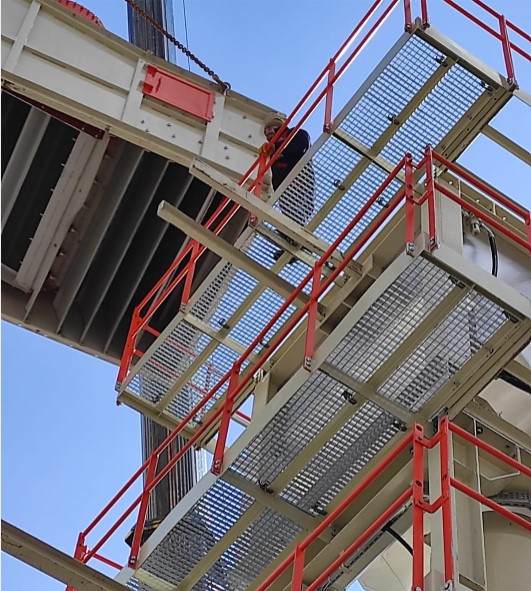
Step-by-Step Asphalt Plant Dismantling and Installation Process
1. Site Survey and Layout Engineering
Before relocating the asphalt plant, our engineering team carefully evaluates the new installation site. Elevation differences, traffic flow, logistics, and aggregate storage areas are analyzed to create the most efficient plant layout. Based on the original static load calculations of the plant, detailed concrete foundation drawings are prepared for accurate civil construction.
2. Professional Dismantling and Component Identification
During dismantling, all mechanical connections, pneumatic lines, and electrical cables are carefully disconnected, numbered, and labeled for accurate reinstallation. Major components such as the dryer drum, tower modules, bucket elevators, mixers, and conveyors are dismantled using specialized lifting equipment without causing structural damage.
3. Heavy Equipment Transportation and Logistics
Since asphalt plant components are typically oversized and overweight cargo, transportation requires detailed logistical planning. Tower sections, tanks, baghouse filters, and other major components are securely loaded onto low-bed trailers and transported in compliance with international heavy-haul transportation standards.
4. Reinstallation, Calibration and Commissioning
After the new concrete foundations are completed, the asphalt plant is reassembled with millimeter-level precision. Electrical and pneumatic systems are reconnected according to the original labeling system. Load cells are calibrated, burner combustion tests are performed, automation systems are commissioned, and the plant is thoroughly tested before being delivered as a turnkey production-ready facility.
Why Choose MBA for Asphalt Plant Relocation?
Time-Efficient Project Management:
We understand that production downtime is costly. Through detailed planning and efficient project management, we minimize dismantling, transportation, and reinstallation time to get your plant back into operation as quickly as possible.
Engineering Expertise:
We are not only a relocation contractor—we are an asphalt plant manufacturer. Our in-depth engineering knowledge allows us to understand every mechanical, electrical, and automation system, ensuring a precise and reliable relocation process.
Spare Parts and Maintenance Support:
During dismantling, worn or damaged components such as filter bags, mixer wear parts, conveyor belts, bearings, and other critical spare parts can be replaced immediately with high-quality components manufactured in our own facilities, reducing future maintenance costs and improving plant reliability.
TURNKEY ASPHALT PLANT RELOCATION SERVICES
We Safely Manage the Dismantling, Transportation and Reinstallation of Asphalt Plants of All Brands and Capacities
Frequently Asked Questions About Asphalt Plant Relocation, Dismantling and Installation
Find answers to the most common questions about asphalt plant relocation, dismantling, heavy equipment transportation, reinstallation, alignment, commissioning, project duration, and relocation costs.
How is the cost of asphalt plant relocation determined ?
The cost of asphalt plant relocation depends on several factors, including the plant type (stationary or mobile), production capacity, number of modules, transportation distance, site conditions, and the scope of dismantling and reinstallation work. Additional modernization or retrofit requirements may also affect the final cost. After a detailed site assessment, MBA provides a transparent and customized quotation.
Can Existing Anchor Bolts and Structural Base Plates Be Reused During Asphalt Plant Relocation ?
For safety and structural integrity reasons, existing anchor bolts and foundation bolts should never be reused. During dismantling, the original anchor bolts are either cut off or remain embedded in the old concrete foundation.
For the new installation site, MBA prepares new concrete foundation drawings based on the plant’s original engineering data. New high-strength anchor bolts and structural base plates are manufactured and installed according to the foundation design, ensuring the plant can safely withstand static and dynamic loads, including vibration and wind forces. No compromises are made when it comes to structural safety and long-term reliability.
How Are Load Cells and Sensitive Electronic Sensors Protected During Dismantling ?
The load cells and weighing sensors installed on the aggregate, bitumen, and filler weighing systems are among the most critical components affecting asphalt mix accuracy.
Before dismantling begins, these sensitive electronic components are fully relieved of mechanical loads. Their cable connections are carefully disconnected and labeled, and the sensors are removed and placed in specially protected, shock-resistant cases. During transportation, they are visually inspected for damage caused by impact, vibration, or moisture.
After the asphalt plant is reinstalled at the new site, the load cells are mounted in their original positions and recalibrated using certified test weights in accordance with applicable weighing and measurement standards.