What Determines the Price of a Cement Silo?
Cement silo prices vary depending on the selected storage capacity, silo type, material quality, and optional equipment. Since every project has different requirements, each silo is designed and priced according to its technical specifications.
The main factors affecting the price include:
Storage Capacity (Tons):
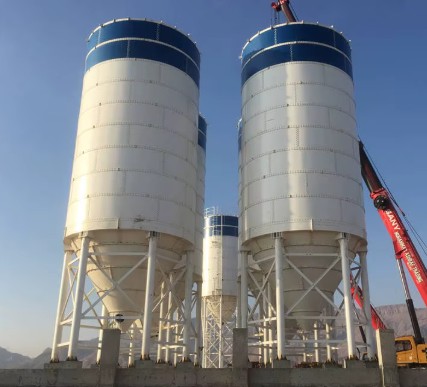
A 100-ton cement silo and a 500-ton bolted cement silo differ in terms of the amount of steel used, plate thickness, and structural support system. As the storage capacity increases, the manufacturing cost increases accordingly.
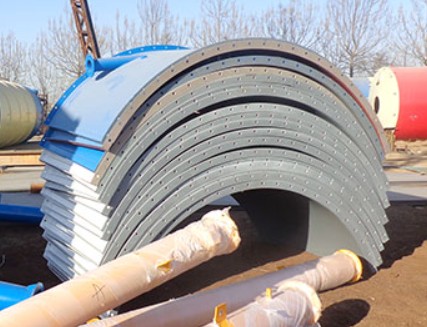
Bolted or Monoblock Silo Selection:
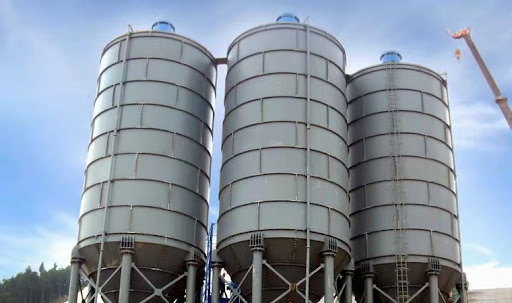
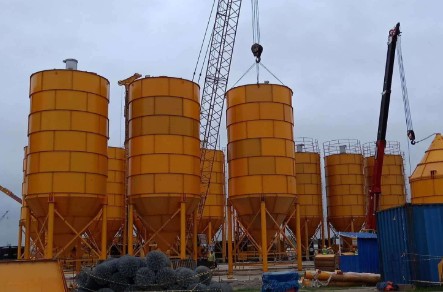
Depending on the project’s transportation and installation requirements, either a bolted cement silo or a monoblock cement silo is selected. Bolted silos provide significant logistical advantages for international transportation, while monoblock silos are the ideal solution for projects requiring rapid on-site installation.
Steel Plate Thickness and Paint Quality:
One of the most important factors determining the service life of a silo is the quality of the steel and surface protection system. ST37 or ST52 structural steel plates, together with industrial protective coatings or epoxy paint systems, provide long-lasting and durable performance.
Equipment and Optional Accessories:
Optional equipment such as jet filters, pressure relief valves, high and low level sensors, air fluidization systems, vibrators, cement screw conveyors, and automation equipment are among the key factors affecting the total investment cost.
Project-Specific Engineering Solutions:
Custom engineering solutions prepared by considering the silo height, support structure, wind and seismic loads, discharge system, and site conditions also play a decisive role in the final price. This ensures that the most suitable technical solution and a competitive quotation are provided for every project.