
What Is Stone Mastic Asphalt (SMA)?
Stone mastic asphalt (SMA) is a high-performance hot mix asphalt designed to withstand heavy traffic loads. It contains a high proportion of coarse aggregate, mineral filler, bitumen, and cellulose fibers. Compared to conventional asphalt mixtures, SMA has a significantly higher coarse aggregate content. The voids between the aggregates are filled with fine aggregate, mineral filler, bitumen, and cellulose fibers, creating a strong stone-on-stone skeleton structure with outstanding durability, rutting resistance, and long service life.
Originally developed and first used in Kiel, Germany, in 1960, Stone Mastic Asphalt has become one of the preferred pavement solutions for highways, airports, bridges, industrial areas, and other heavy-duty road construction projects worldwide due to its superior performance and durability.
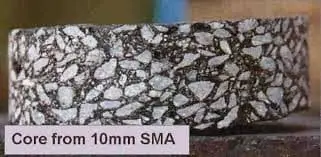
Properties and Applications of Stone Mastic Asphalt (SMA)
With increasing heavy traffic volumes and the high wheel loads generated by aircraft during takeoff and landing on airport runways, pavement surfaces are more susceptible to permanent deformation (rutting). Stone Mastic Asphalt (SMA) is specifically designed to withstand these high vertical and horizontal loads, delivering superior performance without deformation.
Key Properties and Advantages :
High Rutting Resistance: Provides exceptional resistance to permanent deformation and rutting under heavy traffic loads.
Excellent Skid Resistance: Its coarse aggregate skeleton improves tire grip, ensuring outstanding traction even on wet pavement surfaces.
Noise Reduction: The stone aggregate structure combined with cellulose fibers helps absorb tire noise, enhancing driving comfort.
Long Service Life: Highly resistant to aging, cracking, and heavy traffic, providing a durable and cost-effective pavement solution.
Most Common Applications :
Bridges and Viaducts
Airport Runways and Aprons
Highways with Heavy Traffic Volumes
Bus Lanes and Intersections
How Is Stone Mastic Asphalt (SMA) Produced ?
The production of Stone Mastic Asphalt (SMA) requires high precision, specialized equipment, and carefully controlled manufacturing processes. The key production stages and technical requirements are outlined below.
Equipment Integration
Stone Mastic Asphalt is produced in a modern asphalt mixing plant. Unlike conventional asphalt production, SMA requires the installation of a dedicated cellulose fiber dosing system to introduce cellulose fibers into the mix and prevent binder drain-down during production.
Fiber Dosing System
Cellulose fibers are loaded into the cellulose fiber dosing unit, where they are accurately weighed under PLC-controlled automation. During each production batch, the required amount of cellulose fiber is pneumatically conveyed and injected directly into the asphalt plant mixer, ensuring a homogeneous and stable asphalt mixture.
Aggregate Selection
To achieve the stone-on-stone skeleton structure that gives SMA its exceptional performance, high-quality aggregates with excellent wear resistance should be used. Basalt, silica-rich aggregates, or other premium crushed stones are commonly preferred to maximize durability, rutting resistance, and pavement life.
Heating and Bitumen Transfer
The binder supplied from bitumen storage tanks is heated to an optimum temperature of 175°C–190°C before being pumped into the asphalt plant mixer, ensuring proper coating of the aggregates and consistent asphalt quality.
Mixing Process
The aggregates, mineral filler, bitumen, and cellulose fibers are mixed at an optimum temperature of 175°C–190°C. All materials are blended uniformly inside the mixer for approximately 65–80 seconds, producing a homogeneous Stone Mastic Asphalt (SMA) mixture with excellent durability and performance.
Get Expert Support for Stone Mastic Asphalt (SMA) and Cellulose Fiber Dosing Solutions
Whether you need a cellulose fiber dosing system for your asphalt plant or complete engineering solutions for Stone Mastic Asphalt (SMA) production, the MBA team is ready to help. Contact our experts for technical guidance, project consultation, or a customized quotation tailored to your asphalt production requirements.